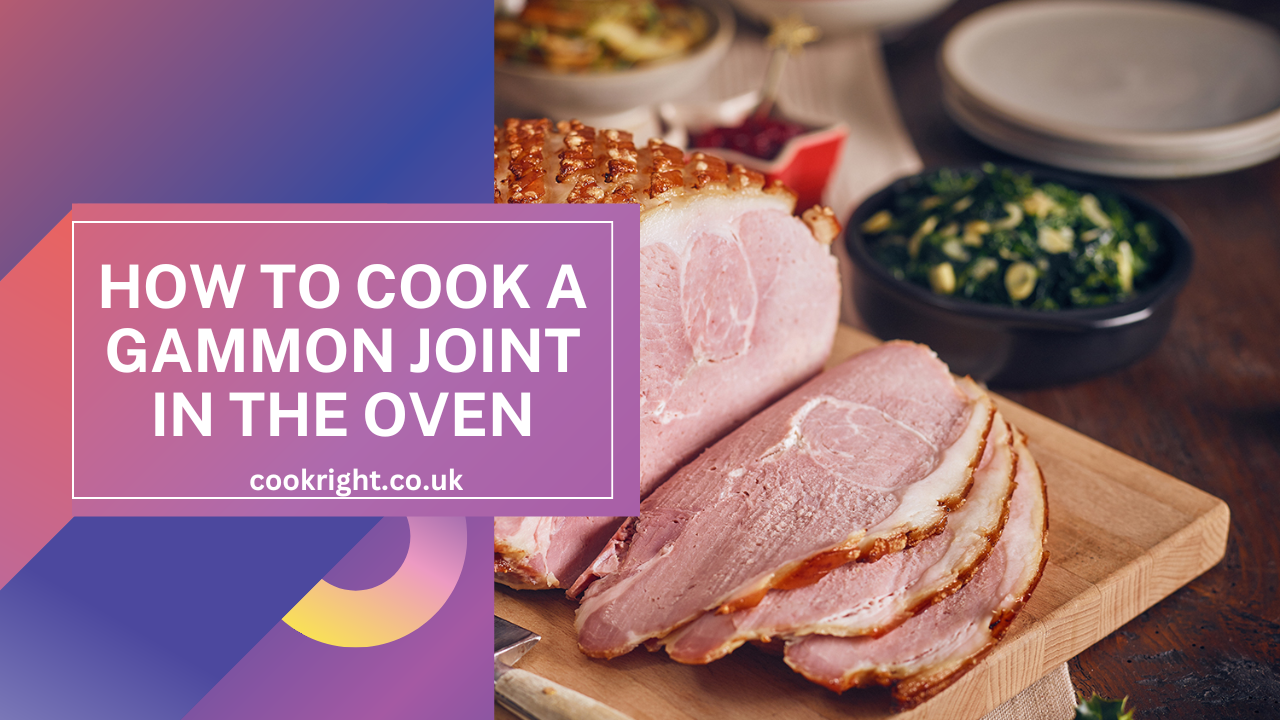

Cooking a gammon joint in the oven is one of those classic kitchen skills that never goes out of fashion. Whether it’s for a Sunday roast, a festive Christmas centrepiece, or simply a hearty family dinner, a well-cooked gammon joint is comforting, flavourful, and surprisingly easy to master.
If you’ve ever worried about gammon turning out too salty, too dry, or lacking flavour, this guide will walk you through everything you need to know. From choosing the right joint to glazing, roasting, and carving, here’s how to cook a gammon joint in the oven so it comes out tender, juicy, and packed with flavour.
What Is a Gammon Joint?
Gammon is a cured leg of pork, similar to ham but sold raw and intended to be cooked. In the UK, gammon is commonly roasted, boiled, or a combination of both. When cooked, gammon becomes ham, but the term “gammon joint” usually refers to the uncooked cut you buy from the butcher or supermarket.
Gammon joints are available smoked or unsmoked, boneless or bone-in, and in a variety of sizes. Each option works well in the oven, as long as you adjust cooking times accordingly.
Choosing the Right Gammon Joint
Before you even turn on the oven, it helps to pick the right joint for your meal.
- Smoked gammon has a deeper, richer flavour and pairs beautifully with sweet glazes like honey or pineapple.
- Unsmoked gammon is milder and ideal if you want to control the seasoning and flavour profile.
- Boneless joints are easier to carve and cook more evenly.
- Bone-in joints offer extra flavour but take slightly longer to cook.
As a general guide, allow around 250–300g of uncooked gammon per person.
Should You Soak or Boil Gammon First?
This is a common question, and the answer depends on how salty your gammon joint is.
Many supermarket gammon joints are cured quite heavily, so soaking or boiling helps remove excess salt and ensures the meat stays moist.
Soaking Method
If you have time:
- Place the gammon in a large bowl of cold water
- Soak for 8–12 hours (or overnight), changing the water once or twice
Boiling Method (Recommended)
This is the most reliable way to achieve juicy results:
- Place the gammon in a large pot
- Cover with cold water (or a mix of water and apple juice)
- Add aromatics like onion, bay leaves, peppercorns, or cloves
- Bring to a gentle boil and simmer for about 20 minutes per 500g
After boiling, the gammon is ready to be finished in the oven for flavour and colour.
How to Cook a Gammon Joint in the Oven
Ingredients
- 1 gammon joint (1.5–2kg)
- 1 onion, halved
- 2 bay leaves
- 1 teaspoon black peppercorns
- Glaze of your choice (see below)
Oven Temperature
Preheat your oven to 180°C (160°C fan) / 350°F / Gas Mark 4
Step-by-Step Oven Method
1. Boil the Gammon
Place the gammon in a large saucepan, add the onion, bay leaves, and peppercorns, and cover with cold water. Bring to a boil, then reduce to a simmer and cook according to weight.
Once done, remove from the water and allow it to cool slightly.
2. Prepare for Roasting
Carefully remove the skin, leaving a thin layer of fat. Score the fat in a criss-cross (diamond) pattern using a sharp knife. This allows the glaze to seep in and creates a beautiful finish.
3. Add the Glaze
Place the gammon on a roasting tray lined with foil. Brush generously with your chosen glaze (ideas below).
4. Roast in the Oven
Roast uncovered for 30–40 minutes, basting halfway through, until the fat is golden and slightly caramelised.
Best Gammon Glaze Ideas
A good glaze takes gammon from simple to spectacular. Here are some popular options:
Classic Honey & Mustard
- 3 tbsp honey
- 2 tbsp Dijon or wholegrain mustard
Maple & Brown Sugar
- 3 tbsp maple syrup
- 2 tbsp soft brown sugar
Pineapple & Clove
- Pineapple juice or syrup
- Whole cloves pressed into the fat
Marmalade & Orange
- 4 tbsp orange marmalade
- Zest of one orange
Brush the glaze on generously and add extra during roasting for maximum flavour.
How Long to Cook a Gammon Joint in the Oven
The oven stage is mainly for flavour and colour, not for fully cooking the meat. After boiling:
- Roast for 30–40 minutes at 180°C
- For extra caramelisation, increase to 200°C for the final 10 minutes
The internal temperature should reach 70°C when fully cooked.
How to Keep Gammon Moist
- Never skip the boiling step if your gammon is heavily cured
- Don’t overcook in the oven
- Let the gammon rest for 15–20 minutes before carving
- Baste with glaze regularly while roasting
Resting allows the juices to redistribute, keeping every slice tender.
How to Carve a Gammon Joint
Use a sharp carving knife and slice against the grain for the most tender results. For bone-in joints, remove the bone first, then slice evenly.
Gammon can be served hot or cold, making it perfect for leftovers.
What to Serve With Oven-Cooked Gammon
Gammon is incredibly versatile and pairs well with both classic and modern sides:
- Roast potatoes or mashed potatoes
- Honey-glazed carrots or parsnips
- Cauliflower cheese
- Peas or green beans
- Pineapple rings or apple sauce
Leftovers are excellent in sandwiches, salads, omelettes, or pasta dishes.
Final Thoughts
Learning how to cook a gammon joint in the oven is a skill that pays off again and again. With a simple boil-and-roast method, the right glaze, and careful timing, you can produce a centrepiece that’s juicy, flavourful, and guaranteed to impress.
Whether you’re cooking for a festive gathering or a relaxed Sunday dinner, oven-baked gammon is a timeless favourite that never disappoints.